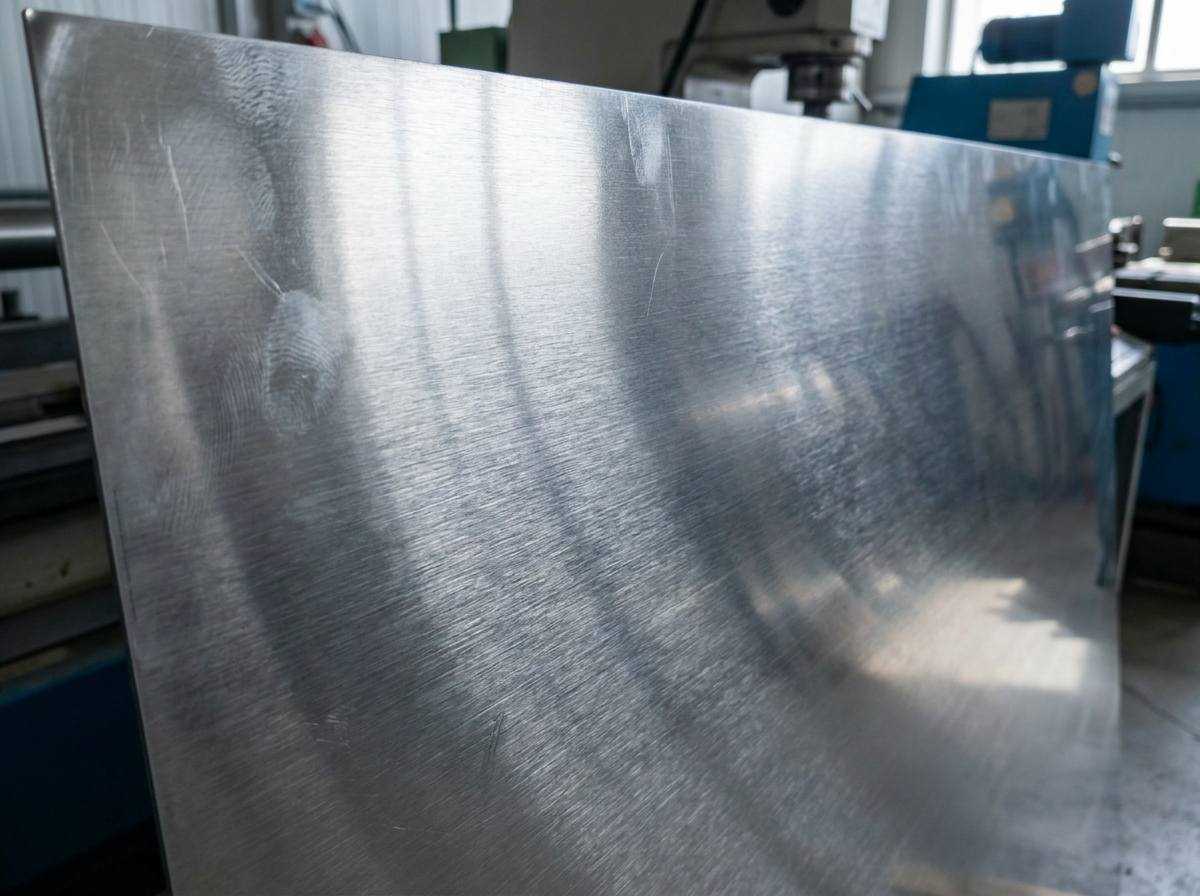






Ultra-Low Magnetic Permeability Stainless Steel for Garment Accessories: A Material Guide for Export Buyers

Why Garment Accessories Need a Material-Level Decision
Many buyers search for clothing accessories definition or general product terms when they begin product planning. This is understandable. The category is wide. It can include decorative parts, fastening parts, reinforcement parts, hanging parts, and small functional hardware used on clothing, bags, shoes, curtains, uniforms, outdoor apparel, and technical textiles.
But for B2B sourcing, a definition is not enough. The buyer needs to understand the material risk behind the part.
A metal snap may need spring force and clean opening performance. A rivet may need holding strength. An eyelet may need a smooth rolled edge. A hook may need shape stability. A buckle may need strength and surface durability. These are product requirements. At the same time, the material must survive manufacturing and still meet inspection needs.
This is where many sourcing problems begin. A buyer may approve a sample based on appearance. The sample may have the right color, shape, surface, and size. But after the order enters mass production, the finished parts may show inconsistent magnetism, plating problems, rust risk, or unstable performance.
For export-oriented garment buyers, this is not only a technical issue. It can affect production schedule, quality claims, brand trust, and supplier evaluation.
A better purchasing question is not only, “Can you make this accessory?” The better question is, “Can you make this accessory with a material that keeps stable performance after the full production process?”
That question moves the conversation from product appearance to material reliability. It also helps buyers communicate more clearly with internal quality teams. When purchasing, engineering, and inspection teams use the same material requirement, the project is less likely to suffer from late-stage disagreement. This is especially useful for repeat orders, where the same accessory must perform consistently across different seasons, factories, and customer batches.
Ordinary Material Choices Can Create Hidden Problems
Garment hardware is often made from different metals. Buyers may see iron-based alloys, ordinary stainless steel, brass, zinc alloy, aluminum alloy, or other decorative materials. Each material has its place. The right choice depends on the garment type, use environment, inspection requirement, target cost, and customer standard.
Brass is often used in apparel hardware because it is workable and has a familiar decorative value. Buyers may compare brass button, brass hardware, or even brass material composition when they want a traditional metal option. Brass can be suitable for many designs, especially when appearance and corrosion resistance are important.
However, brass is not always the best answer for every project. It may have cost pressure, color control requirements, plating considerations, and mechanical limitations depending on the part design. For some buyers, the key problem is not only corrosion resistance or appearance. The key problem is whether the finished accessory can meet strict magnetic requirements while also keeping stainless steel-like strength and durability.
Ordinary stainless steel can also be a useful material. It is strong, corrosion-resistant, and familiar to global buyers. But some stainless steels may become weakly magnetic after cold working. This matters because garment hardware is rarely used as a flat sheet. It is stamped, curled, drawn, pressed, plated, assembled, and sometimes riveted into fabric or leather.
A raw material may look acceptable before production. The finished accessory may behave differently after forming.
This is why ultra-low magnetic permeability stainless steel should be considered when the final garment accessory needs more stable magnetic performance than ordinary materials can provide.
Finished-Part Magnetism Is the Real Issue
In garment accessories, the material question should not stop at the raw strip or sheet. The real issue is finished-part magnetism.
Cold working can change the magnetic response of some stainless steels. Stamping, bending, drawing, rolling, pressing, curling, and riveting can all create local deformation. A flat area may remain stable, while an edge, corner, rolled lip, or pressed zone may show a different magnetic response.
This is why buyers should be careful with a simple “non-magnetic” claim. A raw sheet may pass a simple magnet check. A finished snap, rivet, hook, or buckle may not behave the same way after production.
This can create problems in several ways.
First, inspection may become unstable. If the part needs needle detection, weak magnetism may create false alarms or repeated checks.
Second, batch quality may become difficult to explain. One batch may pass, while another batch may perform differently because of material variation or process change.
Third, suppliers and buyers may disagree about acceptance standards. The supplier may say the raw material was non-magnetic. The buyer may say the finished part failed inspection. Both sides may be describing different stages of the same product.
Fourth, distributors may face communication pressure. They may not manufacture the parts themselves, but downstream customers will still expect clear answers and stable quality.
For these reasons, buyers should define magnetic requirements at the finished-part level. The part should be tested after the actual forming, surface treatment, and assembly route, not only before production.
Why Ultra-Low Magnetic Permeability Stainless Steel Is Different
Ultra-low magnetic permeability stainless steel is different from ordinary “low-magnetic” material claims. The goal is not simply to say that a magnet does not strongly stick to the raw material. The goal is to keep extremely weak magnetic response after the part has been formed into its final shape.
This distinction matters for garment accessories because most parts are small, formed, and surface-finished. A typical accessory may go through several steps before it reaches the garment factory. Even small changes in forming depth, edge shape, or assembly pressure may affect final performance if the material is not stable enough.
Ultra-low magnetic permeability material helps buyers reduce this uncertainty. It gives the finished part a better chance of meeting inspection requirements after stamping, curling, pressing, plating, and assembly.
This does not mean every garment accessory needs this material. A simple decorative part for a low-risk application may use ordinary material. But for export garments, children’s clothing, uniforms, workwear, outdoor apparel, and higher-standard orders, the material requirement should be stricter.
This is especially important when accessories are used in large quantities. A small part with unstable magnetic behavior can affect thousands of finished garments.
For buyers planning custom clothing accessories, ultra-low magnetic permeability should be part of early material discussion when the final order has strict inspection requirements. Waiting until mass production fails is far more expensive than defining the requirement at the beginning.
How JSW20 Fits This Requirement
JSW20 is designed for finished parts that need ultra-low magnetic permeability after processing. Its value is not only in the material name. Its value appears when the material is turned into real components.
For garment accessories, this is important because the part normally needs forming. A button cap may be stamped. A rivet may be drawn and pressed. An accessory snap button may require several assembled pieces. metal snap buttons may need both stable fastening performance and stable inspection behavior. Hooks, eyelets, buckles, and other small parts may also need shape control, surface control, and batch consistency.

JSW20 supports this type of demand because it is made for applications where magnetic behavior must remain extremely stable after controlled deformation. It also provides useful mechanical strength, forming ability, and corrosion resistance. These properties are important when the part must be both functional and inspection-friendly.
The key point is that JSW20 should be evaluated as a finished-part solution. It is not enough to say that the material itself is non-magnetic. Buyers should confirm the drawing, production process, deformation level, surface treatment, inspection method, and bulk-order requirement.
When used correctly, JSW20 can help reduce the gap between sample approval and mass production. It can also help buyers avoid the common problem of raw material passing but finished parts failing.
This is why it is suitable for material-driven garment accessory projects where ordinary stainless steel or uncertain decorative alloys may create hidden risk.
Material Selection Should Match the Accessory Function
Different garment accessories carry different risks. A decorative logo plate does not face the same mechanical requirement as a jeans rivet. A hook used on a jacket does not face the same inspection and load conditions as a small decorative trim. A buckle used in workwear may need stronger pull resistance than a fashion decoration.
Therefore, ultra-low magnetic permeability should not be treated as a general slogan. It should be matched with the function of the accessory.
For fastening parts, buyers should consider holding force, opening and closing performance, fabric thickness, assembly pressure, and inspection requirement.
For reinforcement parts, buyers should consider pulling force, edge cracking, deformation after setting, and long-term wear.
For hanging or connection parts, such as hooks for hanging clothes, buyers should consider shape stability, load direction, surface smoothness, and corrosion exposure.
For rivet-type parts, including solid rivets and formed rivets, buyers should consider material ductility, cap shape, setting force, and whether the finished part can remain stable after pressing.
For buckles and adjustment parts, such as a belt buckle or small garment buckle, buyers should consider strength, surface durability, and repeated movement.
These examples do not turn the article into a product introduction. They show one important material principle: the same ultra-low magnetic permeability requirement must be combined with real product function.
A professional supplier should be able to connect both sides.
How Buyers Can Define the Requirement Before Ordering
A strong inquiry should give the supplier enough information to evaluate the part correctly.
The buyer should first explain the final use. Is the part used for export garments, workwear, children’s clothing, outdoor apparel, bags, shoes, or technical textiles? This helps the supplier understand the inspection and use environment.
The buyer should then explain the manufacturing process. Will the part be stamped, bent, drawn, curled, riveted, polished, plated, coated, or assembled? The process directly affects finished-part magnetic behavior.
The buyer should also define the inspection method. Is a simple magnet check enough? Does the part need to pass a needle detector? Does the customer require magnetic permeability measurement? Does the buyer have an internal inspection standard?
The surface requirement should also be clear. Many garment accessories need plating, polishing, brushing, passivation, coating, or decorative finishing. Surface treatment may not only affect appearance. It may also affect corrosion performance, assembly behavior, and final inspection.
Finally, the buyer should define batch expectations. A single approved sample is useful, but it does not guarantee long-term repeatability. Buyers should ask whether the supplier can keep stable performance across production batches.
This type of inquiry is more professional than only asking for “non-magnetic metal accessories.” It helps the supplier recommend the correct material, process, and testing route.
Baocheng’s Role: Products and Custom Solutions, Not Raw Material Sales
Baocheng is the independent developer of JSW20 non-magnetic stainless steel. More importantly, Baocheng does not sell JSW20 as raw material. We manufacture finished products and customized components made from JSW20, helping buyers solve real application problems through material selection, forming control, product design, and stable production.
This is important for garment accessory buyers. Many buyers do not want to manage material sourcing, stamping suppliers, plating suppliers, and inspection risk separately. They need a manufacturing partner that can connect the material with the finished product.
Baocheng’s advantage is that material development and product manufacturing are connected. This allows us to better control finished-part performance instead of only providing a material name. When buyers need ultra-low magnetic permeability after forming, this connection can reduce sourcing uncertainty.
Stable supply is also part of the value. Since Baocheng has both JSW20 material capability and production capability, customers do not need to worry about limited capacity, unstable sourcing, or lack of manufacturing support during repeat orders.
For importers, distributors, OEM manufacturers, and industrial buyers, this means more than a product quote. It means stable quality, repeatable batches, and a supplier that understands why the material is being used.
Baocheng’s value is not selling a special stainless steel sheet. Our value is delivering reliable garment accessory products and customized metal components made from JSW20 for buyers who need ultra-low magnetic performance in real applications.
Material Stability Comes Before Product Selection
Garment accessories are small, but they can create large quality risks when the material is not suitable for the final inspection and use environment.
For buyers, the most important point is to evaluate the finished part, not only the raw material. A part may look non-magnetic before production, but stamping, curling, drawing, pressing, plating, and assembly can change its final behavior. This is why ultra-low magnetic permeability stainless steel can be important for strict garment accessory applications.
Ordinary materials still have value. Brass, common stainless steel, and other alloys may work well in many projects. But when finished parts must pass inspection, avoid magnetic-related issues, and maintain stable quality across batches, buyers should consider a more specialized material solution.
JSW20 gives buyers a practical option for formed garment accessories that need ultra-low magnetic permeability, corrosion resistance, forming ability, strength, and repeatable production.
The best material decision starts before the order is placed. Buyers should define the application, forming process, surface treatment, inspection method, and batch expectations early. When these requirements are clear, the supplier can build a better solution, and the finished accessory has a much better chance of performing reliably in real production.
Focused FAQ
What is the main material issue behind metal garment accessories?
The main issue is not only whether the accessory looks good or has the right surface finish. For strict export orders, the finished part may also need stable magnetic performance after stamping, forming, plating, and assembly. This is why buyers should evaluate the material behind garment accessories, not only the appearance of the final product.
Why is ordinary stainless steel not always enough for garment accessories?
Ordinary stainless steel can work well for many general garment parts. However, some stainless steels may become weakly magnetic after cold working, such as stamping, bending, drawing, or curling. If the finished accessory needs to pass needle detection or meet a strict magnetic requirement, ordinary stainless steel may create hidden risk.
Why does finished-part testing matter more than raw material testing?
A raw material sheet may appear non-magnetic before production, but the finished part can behave differently after forming and surface treatment. A snap fasteners, rivet, eyelet, hook, or buckle may have local deformation areas that affect magnetic behavior. For this reason, buyers should test the finished part, not only the raw material.
How is JSW20 different from common material options such as brass or ordinary stainless steel?
Materials such as brass buttons, brass hardware, and ordinary stainless steel can be suitable for many garment accessory projects. However, JSW20 is designed for applications where finished parts need ultra-low magnetic permeability after controlled deformation. It is especially useful when buyers need a balance of magnetic stability, corrosion resistance, forming ability, and finished-part reliability.
Does every garment accessory need JSW20?
No. Not every accessory needs ultra-low magnetic permeability stainless steel. Simple decorative parts or low-risk applications may use ordinary materials. JSW20 should be considered when the finished accessory must pass strict inspection, avoid magnetic-related quality problems, or maintain stable performance across repeated production batches.
Can JSW20 be used for custom clothing accessories?
Yes. JSW20 can be evaluated for custom clothing accessories that require ultra-low magnetic performance after forming. The final choice should depend on the drawing, part structure, forming process, surface treatment, inspection method, and batch requirements.
Is Baocheng selling JSW20 raw material?
No. Baocheng does not sell JSW20 as raw material. Baocheng manufactures finished products and customized metal components made from JSW20. Our value is helping buyers solve real application problems through material selection, forming control, product design, and stable production.
Why should importers and distributors care about ultra-low magnetic permeability?
Importers and distributors need stable quality across repeat orders. If one batch of metal snap buttons, rivets, hooks, or other garment accessories performs differently from another batch, downstream customers may raise quality claims. Ultra-low magnetic permeability material can help reduce this risk when magnetic performance is part of the inspection requirement.
#Ultra-Low Magnetic Permeability Stainless Steel, #JSW20 Stainless Steel, #Non-Magnetic Stainless Steel, #Garment Accessories, #Custom Clothing Accessories, #Metal Garment Accessories, #Needle Detection Friendly Hardware, #Finished-Part Magnetic Performance, #Magnetic Stability After Forming, #Stainless Steel Stamping Parts, #Custom Metal Components, #Export Garment Hardware, #Apparel Hardware Materials, #Non-Magnetic Metal Parts, #B2B Stainless Steel Components, #Precision Formed Stainless Steel Parts